One photo.
One sign.
Hold a question in mind and photograph whatever is in front of you. Yixiang reads the picture as two trigrams, casts one of the sixty-four hexagrams of the I Ching, and lays it before you as a woodcut card.
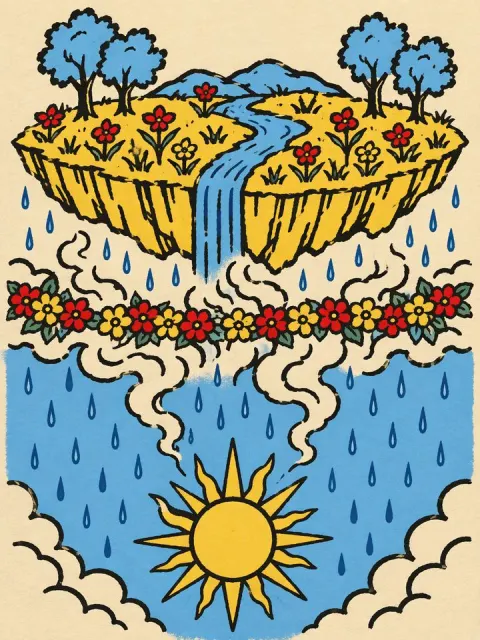
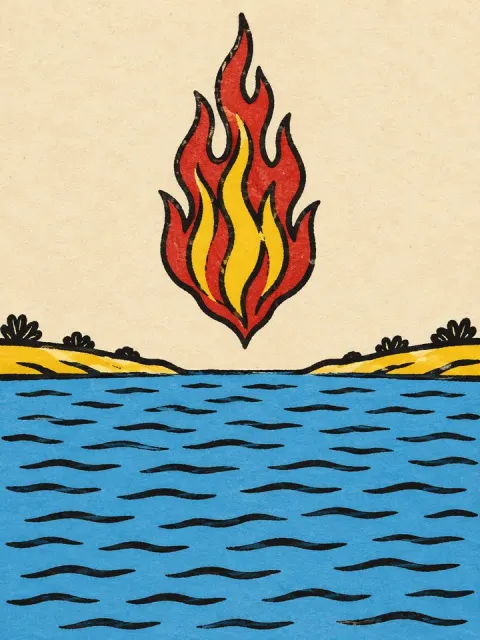
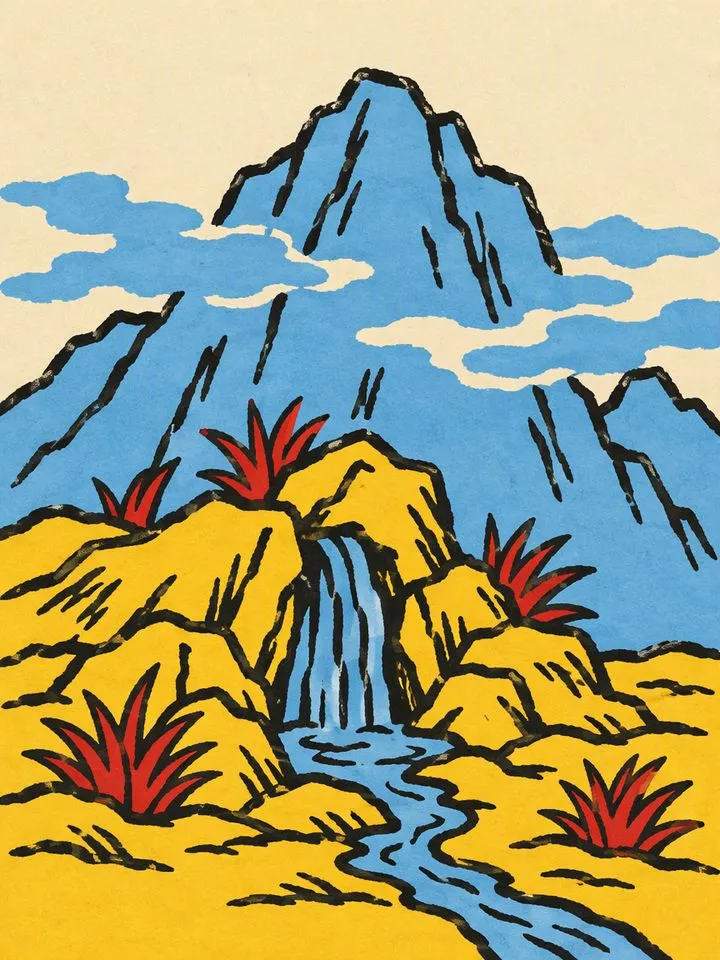
From a photo to a sign
This is a real cast: one photo of a cat at a rainy window, sent through the same service the app uses. Nothing below was written by hand.
Hold a question
Keep it to yourself, or write it down. Held in mind, the card speaks for itself. Written down, the reading answers you.
Photograph what's in front of you
What you photograph becomes the upper trigram; the place it sits, the lower.
 MountainWater
- A cat is the Mountain trigram: small, still, and guarding at the window.
- Rainy glass and a blurred street feel like Water: wet, dim, and flowing.
Turn the card
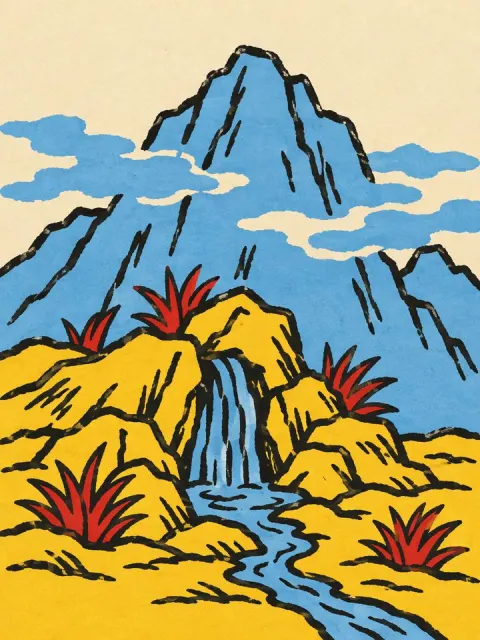
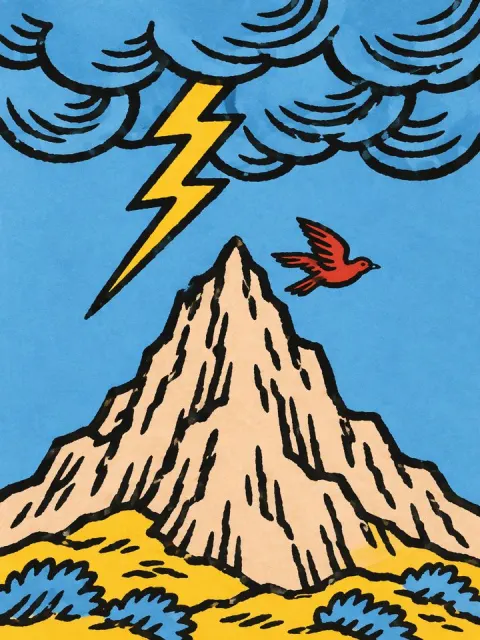
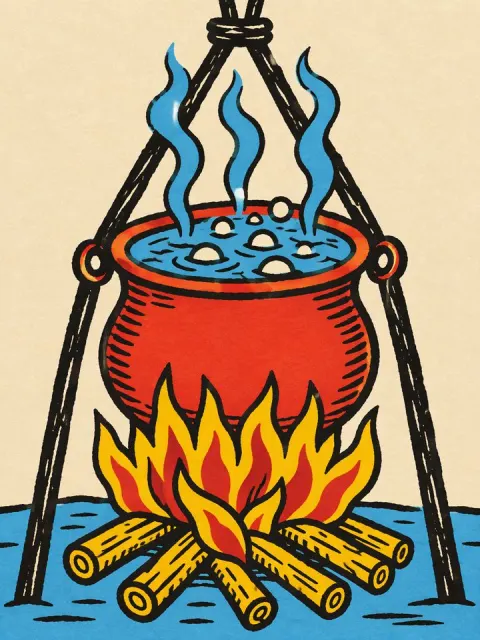
Each of the sixty-four hexagrams has its own woodcut card. On the back: the hexagram's Great Image.
Read it
“Should I move to another city?”
Go slowly; learn the shape before you step
Success. I do not seek the youthful and inexperienced; the youthful and inexperienced seek me. When he shows sincerity in the first divination, I instruct him…
Mountain over Water speaks of a new place that is not yet clear, but can be learned. Your side is the Mountain trigram: steady, watchful, able to shape the question with effort and initiative. The city itself feels like Water: deep, changing, and easy to get lost in at first. This reading is about whether you are ready to meet confusion with patience rather than impulse.
Not Yet Clear
Success. I do not seek the youthful and inexperienced; the youthful and inexperienced seek me. When he shows sincerity in the first divination, I instruct him…
This is the image of water beneath a mountain: the path is there, but the view is clouded. The point is not to force clarity, but to admit where things are still unclear and need teaching, sorting, and patient attention. The answer is not won by pushing; it appears when you are ready to receive it.
Photo: “Ruby”, Wikimedia Commons, CC0.
Sixty-four cards
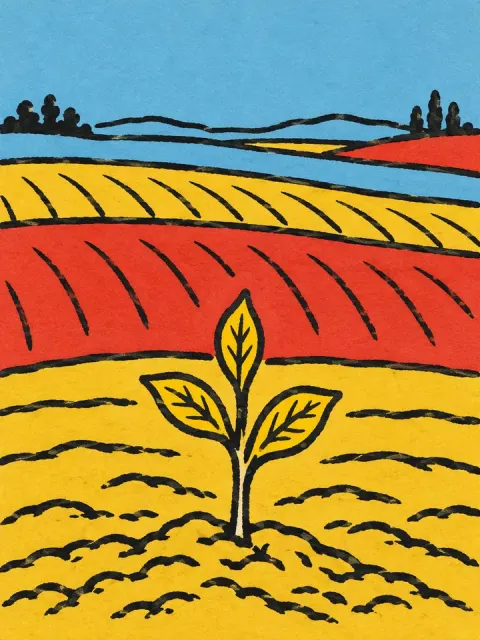
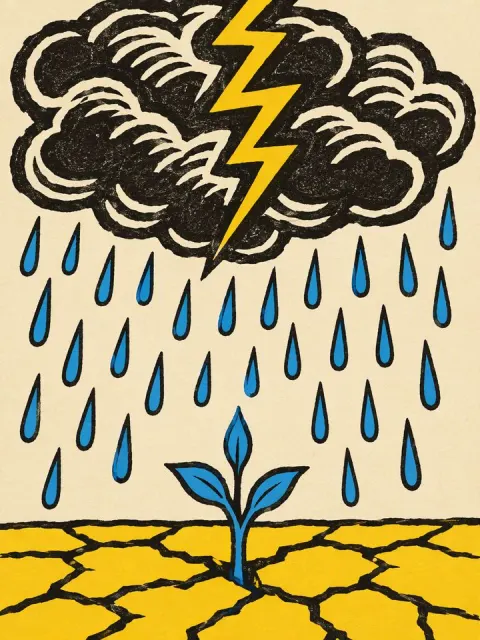
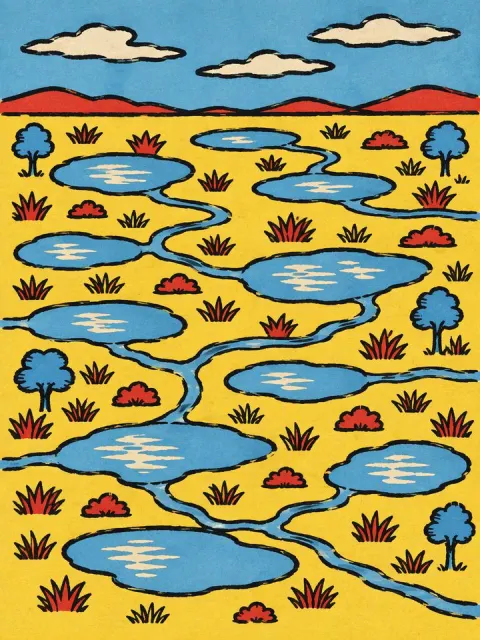
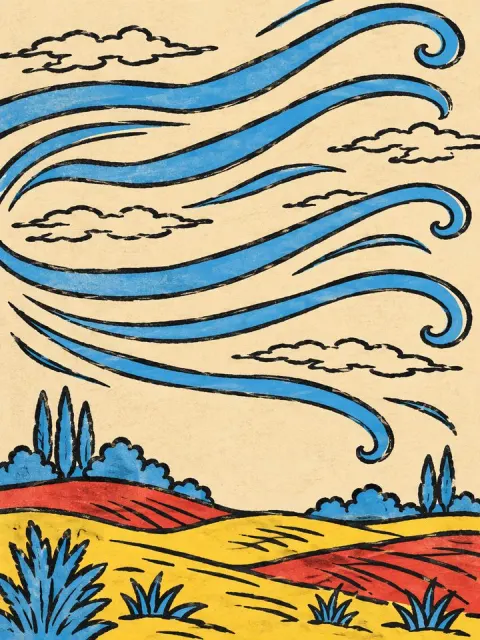
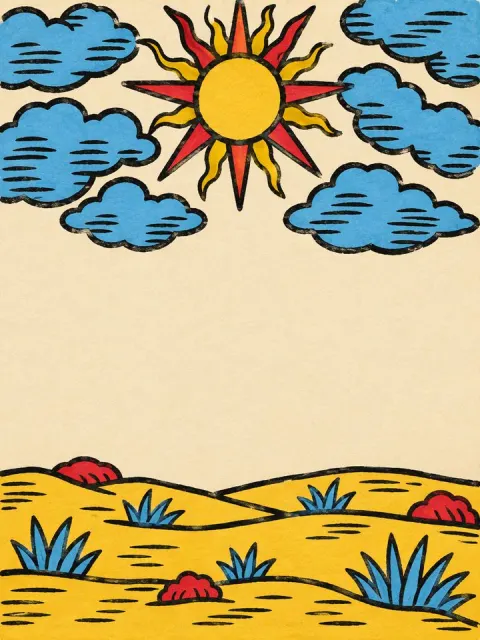
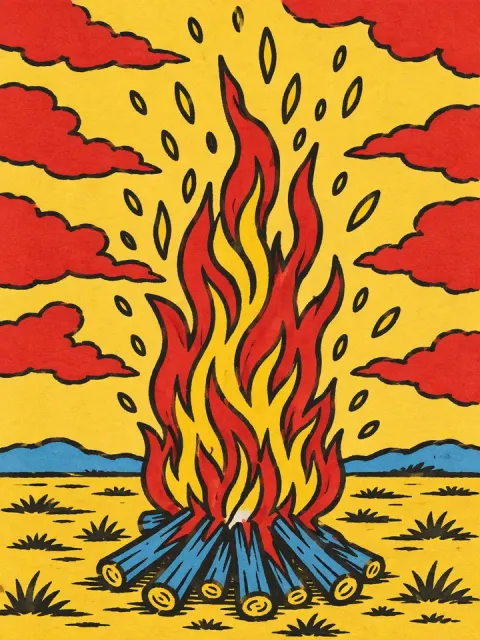
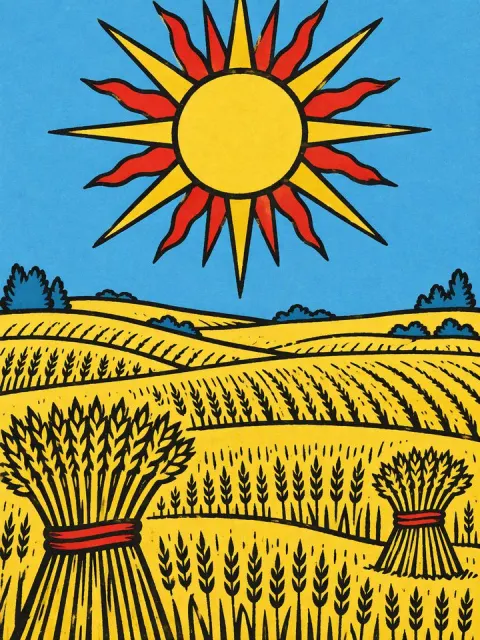
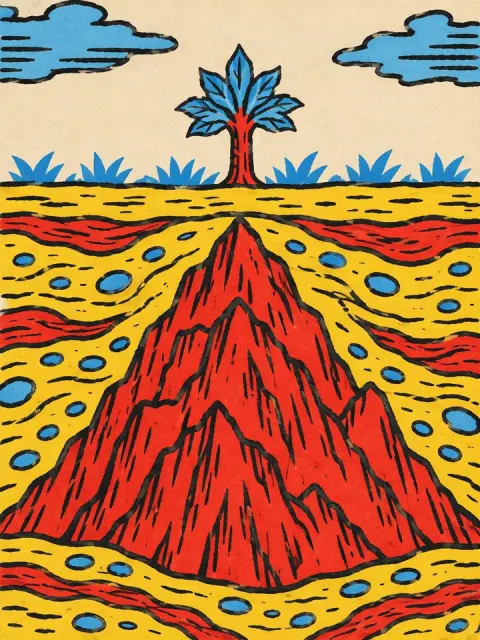
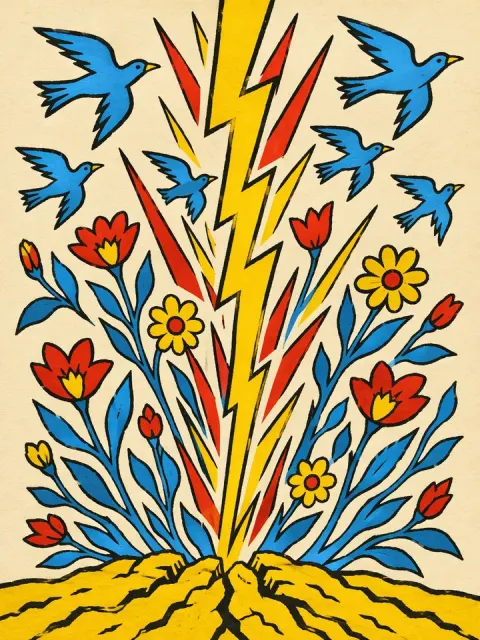
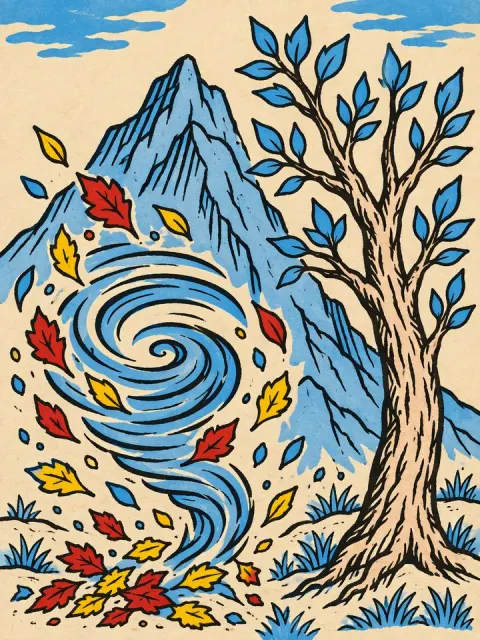
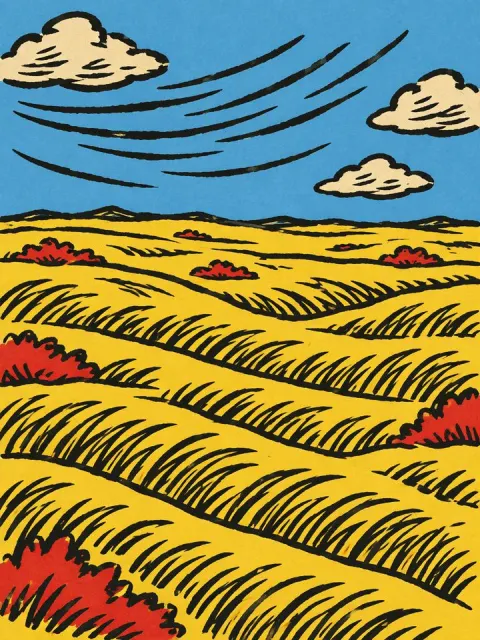
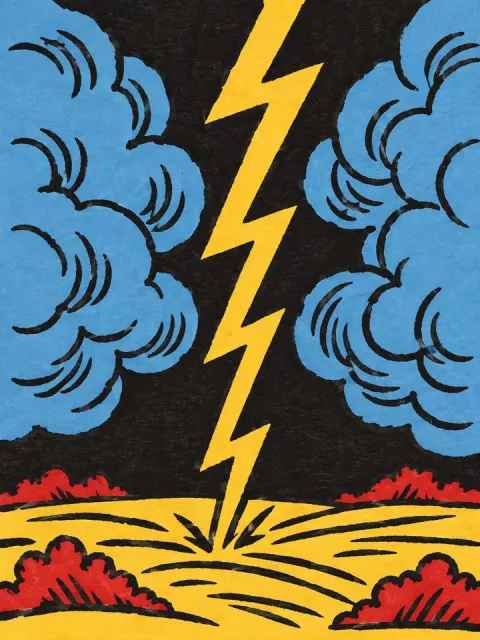
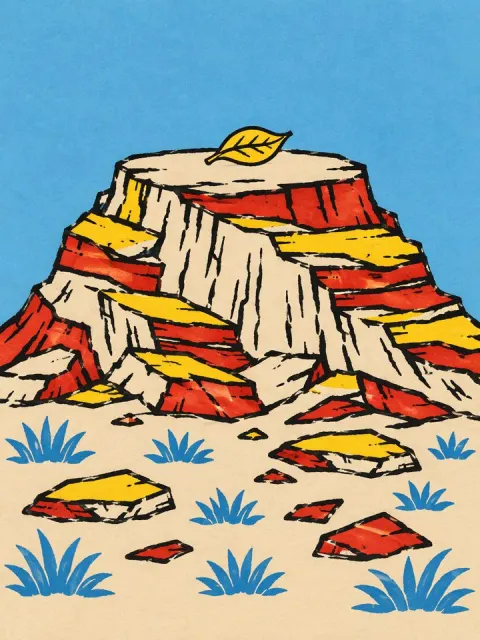
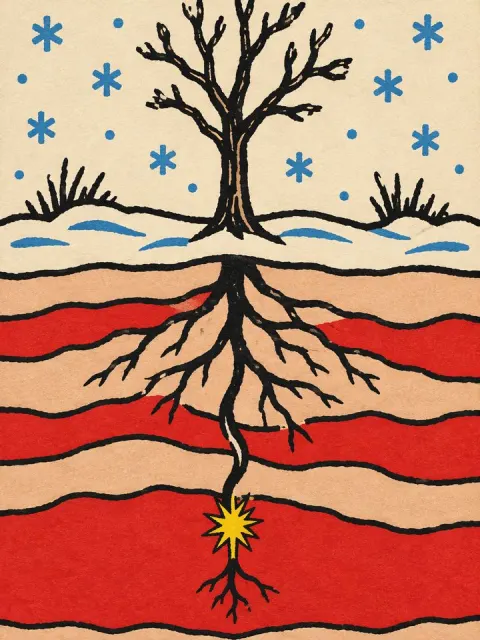
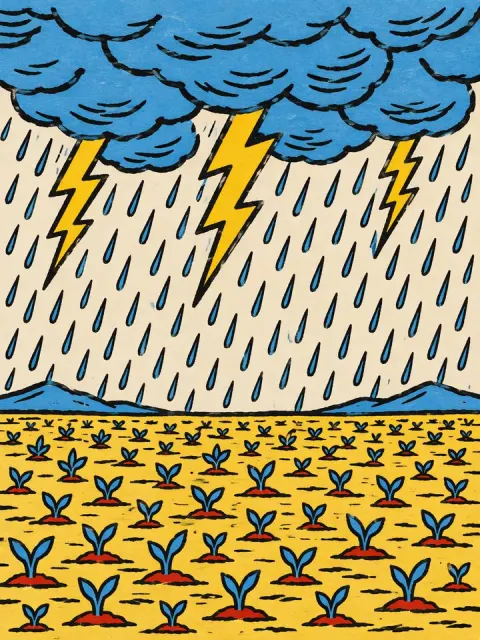
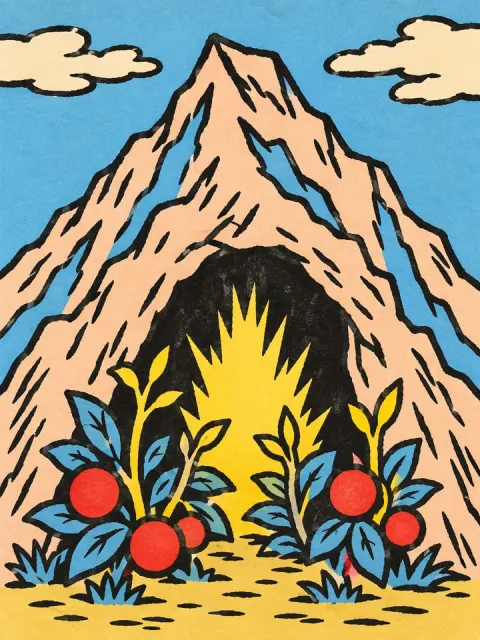
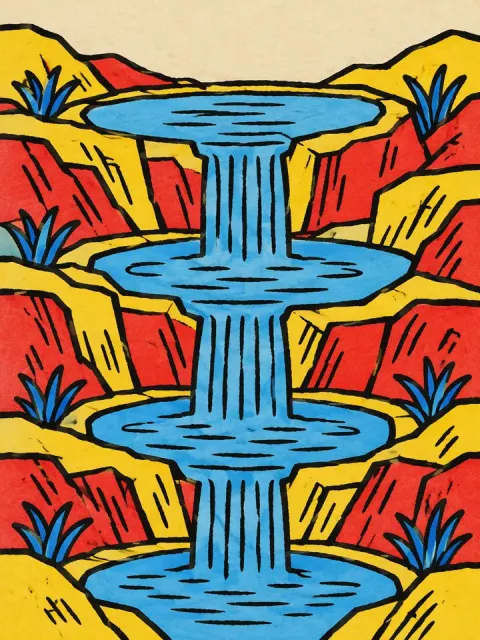
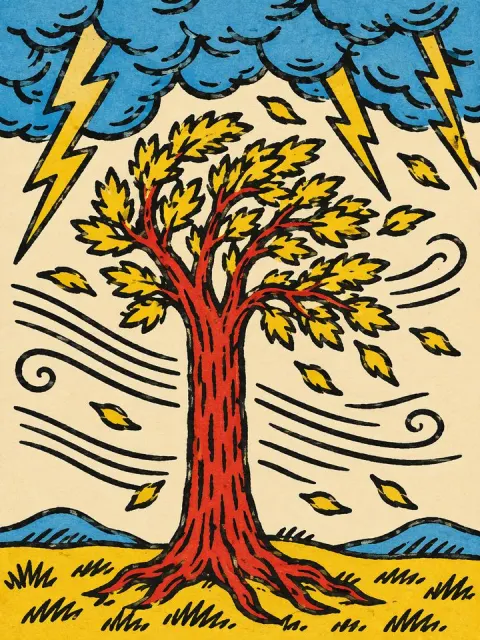
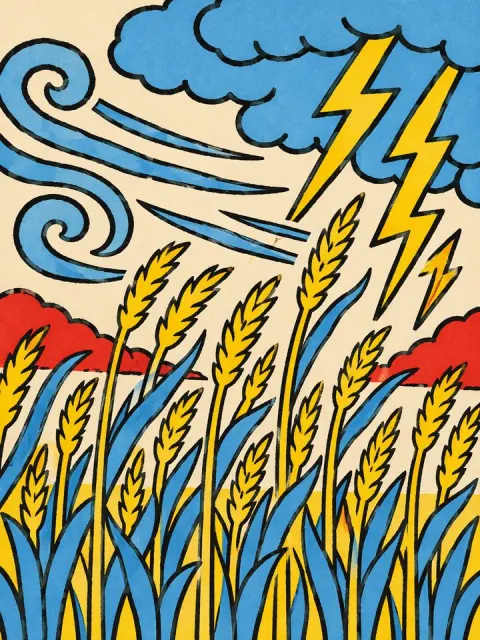
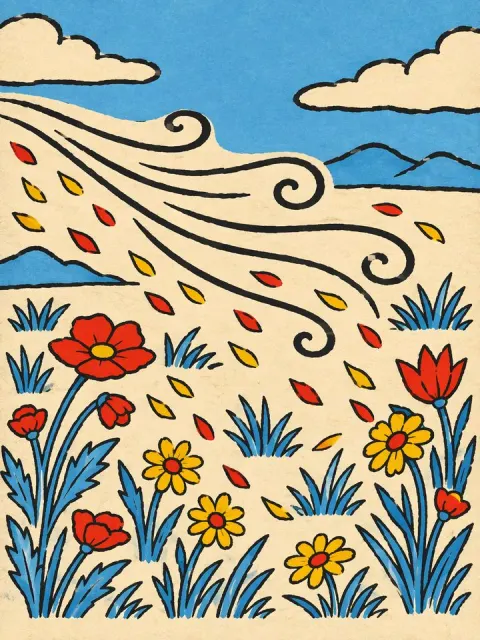
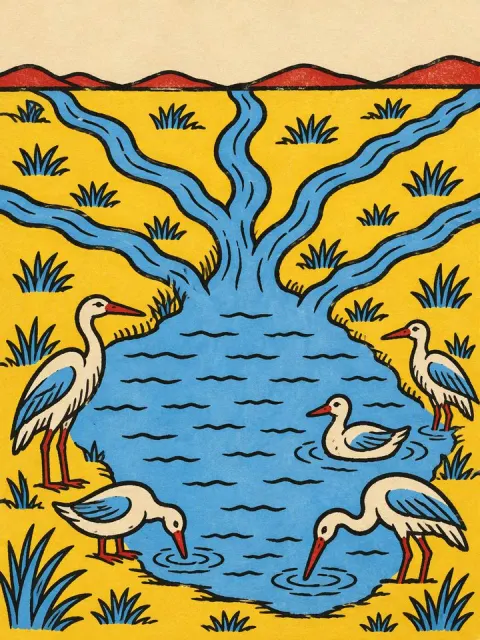
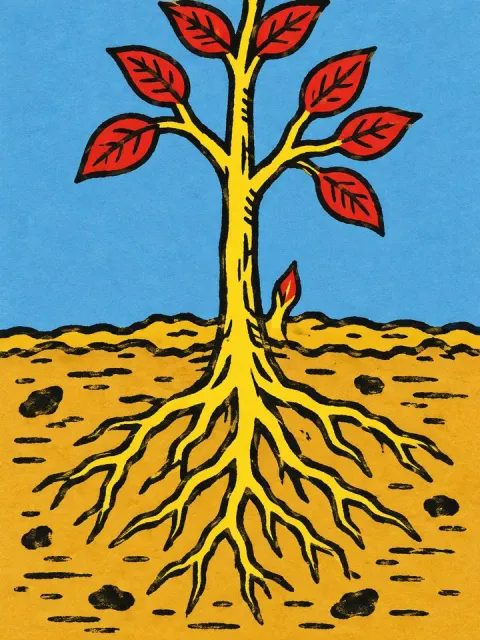
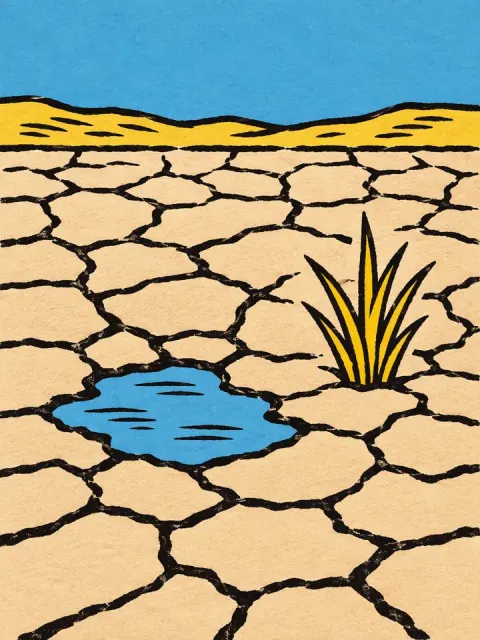
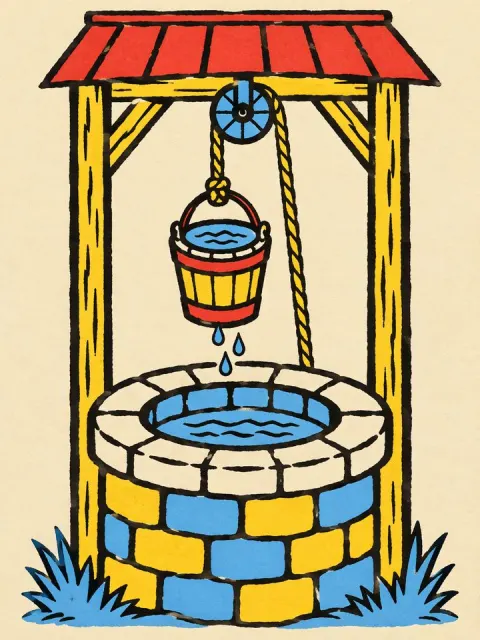
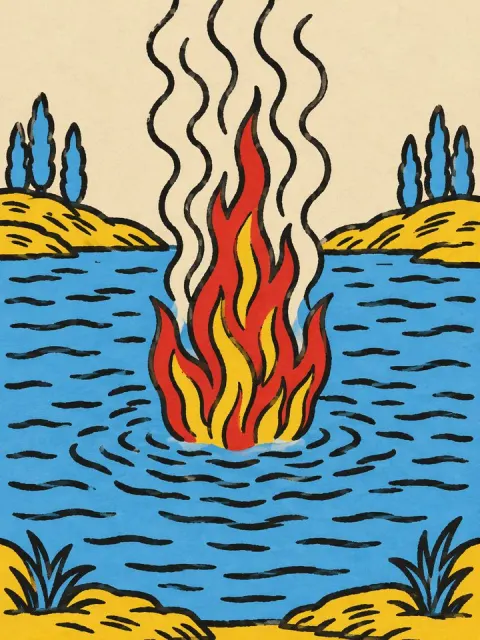
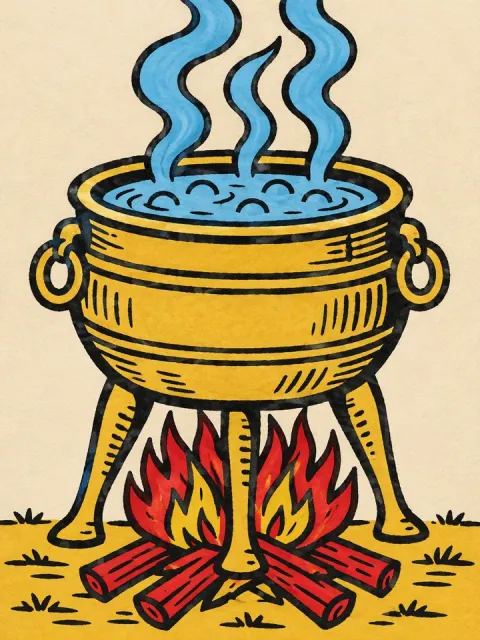
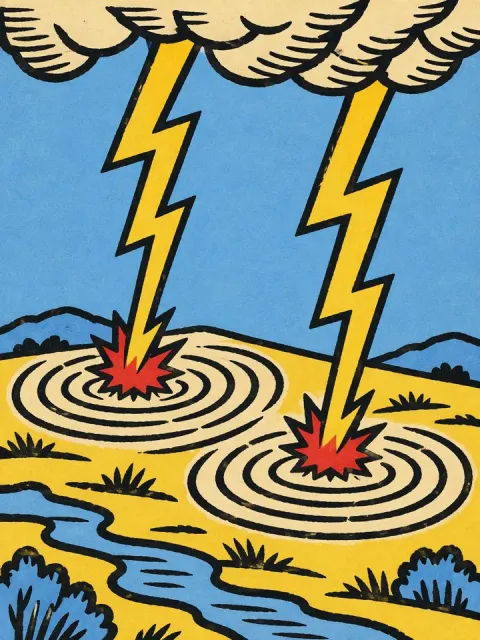
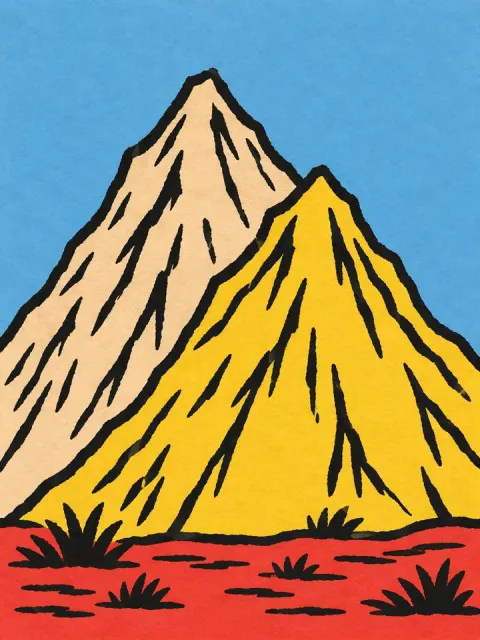
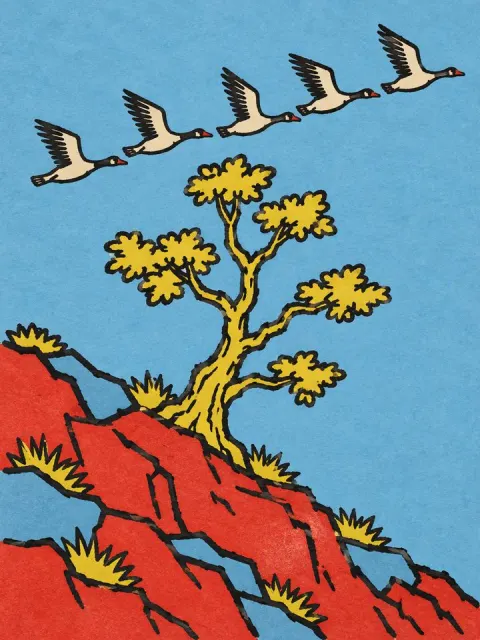
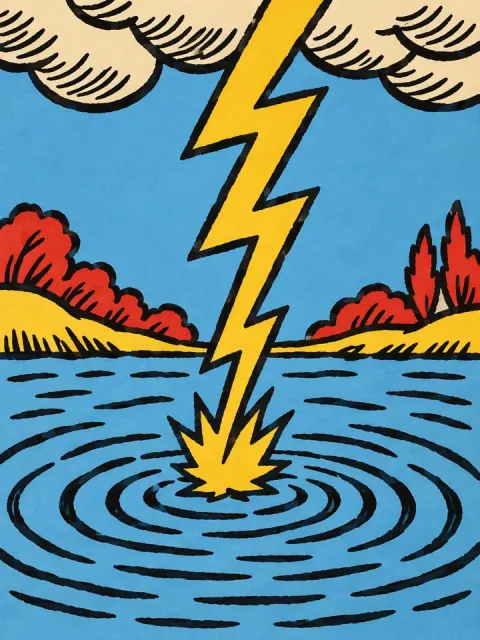
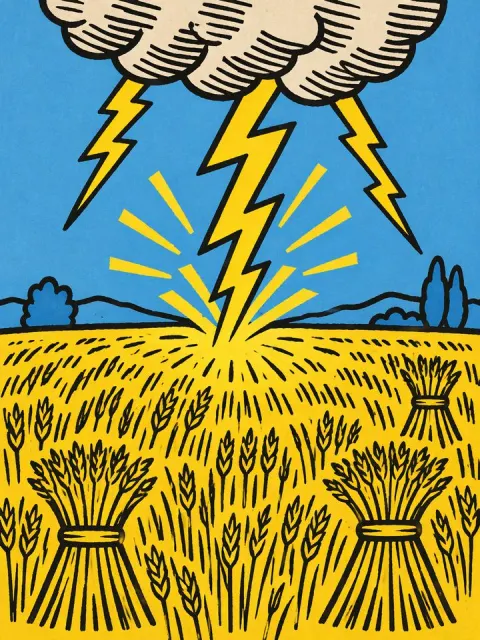
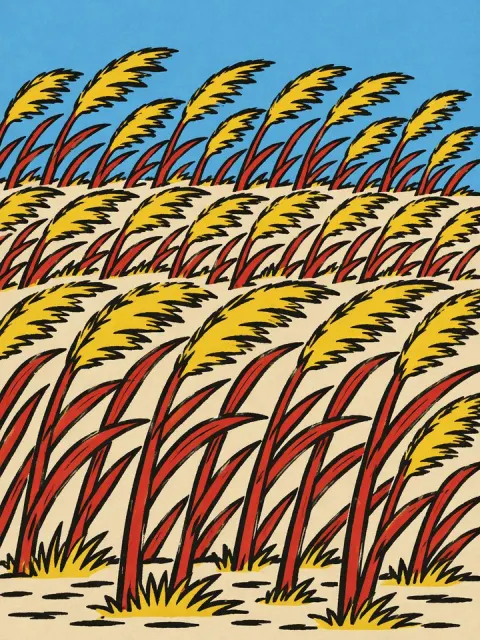
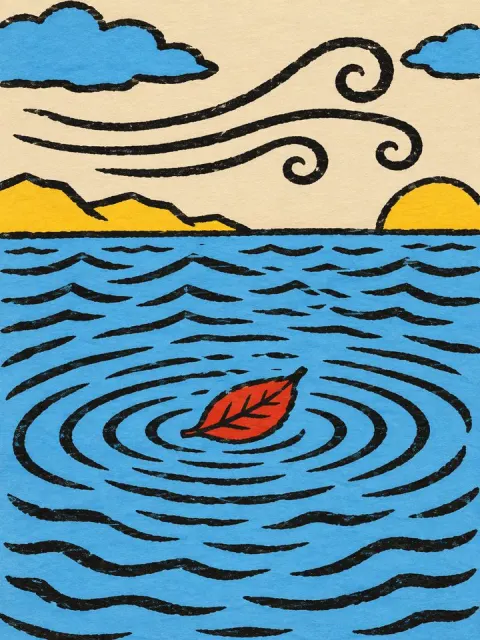
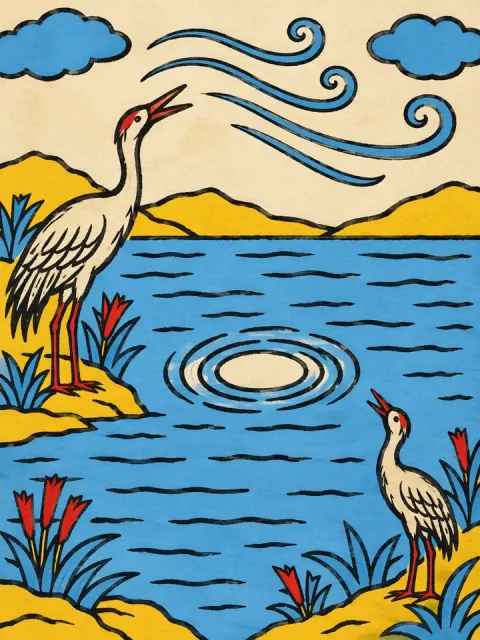
Drawn in the manner of the old Marseille woodcut decks: four inks and a heavy black line. Each picture is drawn from the hexagram's Great Image, the classic commentary that gives every hexagram its picture. Tap any card to turn it over.












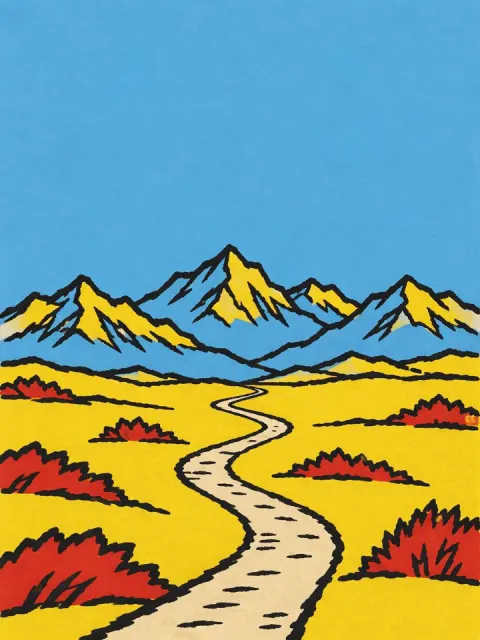
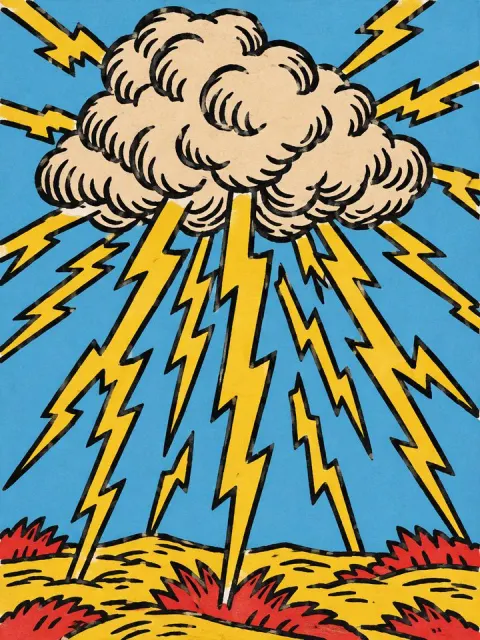

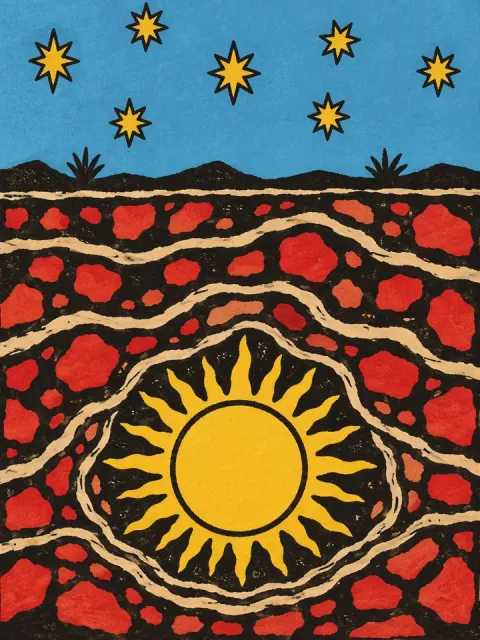



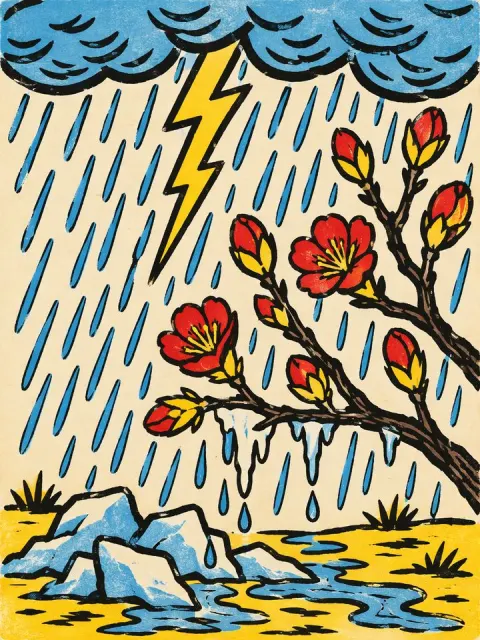





An old way of looking
Plum Blossom numerology, a method tradition credits to the Song-dynasty scholar Shao Yong, cast hexagrams from whatever happened to be in view: an old man with a worried face, two sparrows quarrelling on a branch. The thing seen gave the upper trigram; where it came from, the lower.
Yixiang keeps the method and changes the instrument. A vision model describes what is in your photo and the place it sits; the eight trigrams' old associations — the still Mountain, the deep Water, the bright Fire — decide which trigram each one is. The engine does the rest, from the canonical text.
The AI writes only the reading. The hexagram, its judgement and its lines come from the book itself.
初筮告,再三瀆,瀆則不告。
“The first asking is answered. Asking again and again is troubling, and the troubling get no answer.”
— From the judgement of Hexagram IV
So one question gets one card. Ask the same thing again within a day and the same card comes back.
What Yixiang is not
Not a fortune
No verdicts of luck or doom. The old texts are quoted as they were written; our own words stay plain.
Not advice
Questions about health, law or money get a way to think about the decision, not the decision — and a nudge toward someone qualified.
Not a feed
One ritual: ask, photograph, turn the card, read. No streaks, no points, nothing to scroll.
Not public
Your questions and photos stay private. Shared cards never show your question, and you can delete any reading — or everything — from Settings.
Turn over
your first card.
Thirty seconds, one cat, one card. Yixiang is coming to iPhone in English, Traditional Chinese and Simplified Chinese.
Coming soon to the App Store